Table of Contents
ToggleHorror games have captivated players for decades. They deliver experiences that no other gaming genre can match. The appeal lies in controlled fear, players willingly step into terrifying scenarios from the safety of their homes. This genre continues to grow in popularity, with new titles pushing boundaries each year. From psychological thrillers to survival horror, these games tap into primal emotions that keep audiences hooked. This article explores what makes horror games so irresistible, the elements that define them, and how players can maximize their experience.
Key Takeaways
- Horror games create unforgettable experiences by triggering real emotional responses like adrenaline and fear.
- The interactive nature of horror games makes scares feel personal, setting them apart from passive horror movies.
- Atmosphere, sound design, and player vulnerability are the core elements that make horror games effective.
- Subgenres like survival horror, psychological horror, and indie horror offer distinct ways to experience fear.
- Iconic titles like Resident Evil, Silent Hill 2, and Amnesia: The Dark Descent shaped modern horror game design.
- Playing horror games in the dark with headphones and avoiding spoilers maximizes immersion and scares.
What Makes Horror Games So Compelling
Horror games succeed because they trigger genuine emotional responses. Fear releases adrenaline, which creates an intense and memorable experience. Players remember the moments that scared them far longer than ordinary gameplay sequences.
The interactive nature of horror games sets them apart from horror movies. Viewers watch characters make decisions on screen. Players make those decisions themselves. This personal investment amplifies every scare. When something jumps out, it feels directed at you specifically.
There’s also the satisfaction of overcoming fear. Horror games present challenges that require courage to face. Completing a terrifying section delivers a sense of accomplishment that few other genres provide. Players push through discomfort and emerge victorious.
Curiosity drives engagement as well. Horror games often hide their best scares and story reveals behind exploration. Players want to know what’s around the next corner, even when every instinct tells them to turn back. This tension between fear and curiosity creates an addictive loop.
Key Elements That Define the Genre
Several core components make horror games effective:
Atmosphere serves as the foundation. Lighting, sound design, and environmental details work together to create unease. A flickering light or distant footstep can terrify players more than any monster. The best horror games maintain tension even during quiet moments.
Sound design deserves special attention. Audio cues signal danger, build suspense, and deliver scares. Many horror games use silence strategically, players learn to dread sudden noise. Heartbeat sounds, breathing, and ambient effects immerse players in the experience.
Vulnerability separates horror games from action games. Limited resources, weak combat options, or no weapons at all force players to feel helpless. This powerlessness amplifies fear. Running and hiding feel more terrifying than fighting.
Pacing controls the emotional journey. Horror games alternate between high-tension sequences and calmer exploration. Constant scares lose impact quickly. Skilled developers know when to let players breathe before the next scare.
Storytelling adds depth to the fear. The most memorable horror games feature narratives that disturb players psychologically. Mystery, tragedy, and dread woven into the plot make the experience linger long after the credits roll.
Popular Subgenres of Horror Games
Horror games branch into several distinct categories:
Survival horror emphasizes resource management and combat. Players face monsters but lack sufficient ammunition or healing items. This scarcity creates constant stress. Resident Evil popularized this subgenre and remains its gold standard.
Psychological horror targets the mind rather than startle reflexes. These games use atmosphere, suggestion, and disturbing imagery to unsettle players. Silent Hill exemplifies this approach with its symbolic monsters and unsettling environments.
Action horror combines frights with capable combat systems. Players can fight back effectively, but threats remain dangerous. Dead Space balances empowerment with terror successfully.
Indie horror often experiments with unique concepts. Smaller development teams take creative risks that larger studios avoid. Games like Amnesia: The Dark Descent proved that horror games don’t need big budgets to terrify audiences.
Multiplayer horror adds social dynamics to fear. Some games pit players against each other, while others require cooperation to survive. Dead by Daylight and Phasmophobia demonstrate how shared fear creates unique experiences.
Notable Titles That Shaped the Genre
Several horror games defined what the genre could achieve:
Resident Evil (1996) established survival horror conventions. Fixed camera angles, limited saves, and inventory management became genre staples. The franchise continues evolving, with Resident Evil Village (2021) earning critical acclaim.
Silent Hill 2 (2001) proved horror games could deliver profound storytelling. Its psychological themes and memorable antagonist Pyramid Head influenced countless titles that followed.
Amnesia: The Dark Descent (2010) removed combat entirely. Players could only run and hide. This stripped-down approach renewed interest in horror games and inspired many imitators.
P.T. (2014) demonstrated how a short demo could terrify millions. Though the full game never released, its looping hallway concept influenced horror game design significantly.
Resident Evil 7 (2017) revitalized its franchise with a first-person perspective. The shift made encounters feel immediate and personal. It showed that established series could reinvent themselves while maintaining identity.
These horror games each contributed techniques and ideas that developers still build upon today.
Tips for Getting the Most Out of Horror Games
Players can enhance their horror game experience with these strategies:
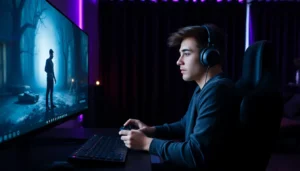
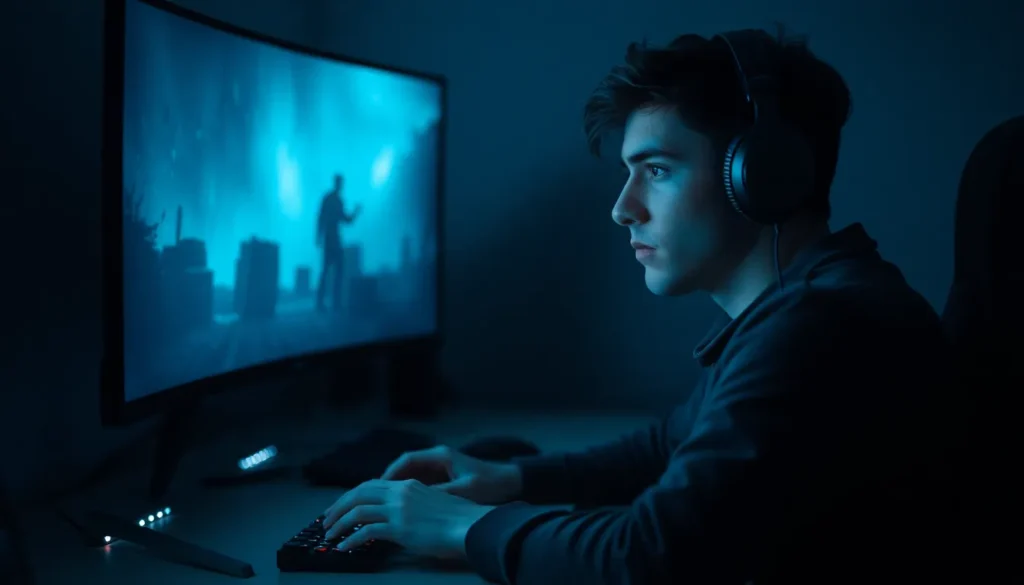
Play in the dark. Lighting affects immersion significantly. A dark room eliminates distractions and makes on-screen darkness feel more threatening. Natural light can undermine even the scariest moments.
Use headphones. Audio design carries much of the horror experience. Speakers don’t deliver the same spatial awareness or intensity. Headphones place every sound directly in your ears, where it belongs.
Avoid spoilers completely. Horror games rely on surprise. Knowing what’s coming ruins carefully designed scares. Go in blind whenever possible.
Resist the urge to rush. Horror games reward patience. Rushing through sections means missing environmental storytelling and building less tension. Let the atmosphere work on you.
Take breaks when needed. Extended horror sessions can exhaust players emotionally. Stepping away briefly maintains the experience’s impact. There’s no shame in pausing after an intense sequence.
Play alone if possible. Friends provide comfort that diminishes fear. Solo sessions feel more vulnerable and personal. The horror becomes your experience alone.