Table of Contents
ToggleHorror games tips can transform a terrifying gaming session into an enjoyable challenge. Many players abandon scary games within the first hour because they feel overwhelmed. The jump scares hit too hard. The tension becomes unbearable. But here’s the thing, horror games reward players who learn to work with their fear rather than against it.
Whether someone’s diving into Resident Evil, Silent Hill, or the latest indie horror title, the right approach makes all the difference. These strategies help players survive longer, enjoy the experience more, and actually finish the games they start. Fear is part of the fun, but it doesn’t have to be the reason players quit.
Key Takeaways
- Optimize your gaming environment with dim lighting, quality audio, and a cool room temperature to control how intense horror games feel.
- Use breathing techniques and mentally reframe scary moments as puzzles to manage fear and finish more horror games.
- Master resource management by saving powerful items for bosses and learning when to run past enemies instead of fighting.
- Pay close attention to audio and visual cues—music changes, footsteps, and bloodstains all signal danger before it arrives.
- Take regular breaks every 45-60 minutes to prevent mental fatigue and maintain enjoyment throughout your horror games session.
- Wind down with a calm activity after playing to help your brain transition out of alert mode before sleep.
Prepare Your Gaming Environment
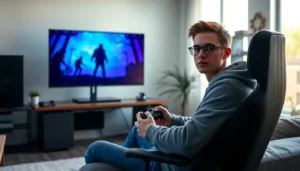
The gaming setup directly affects how scary a horror game feels. Smart players use this to their advantage.
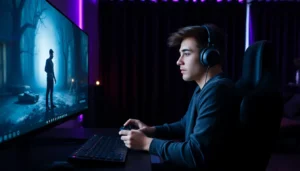
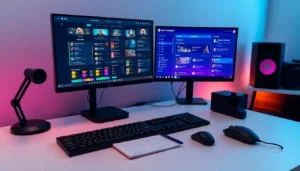
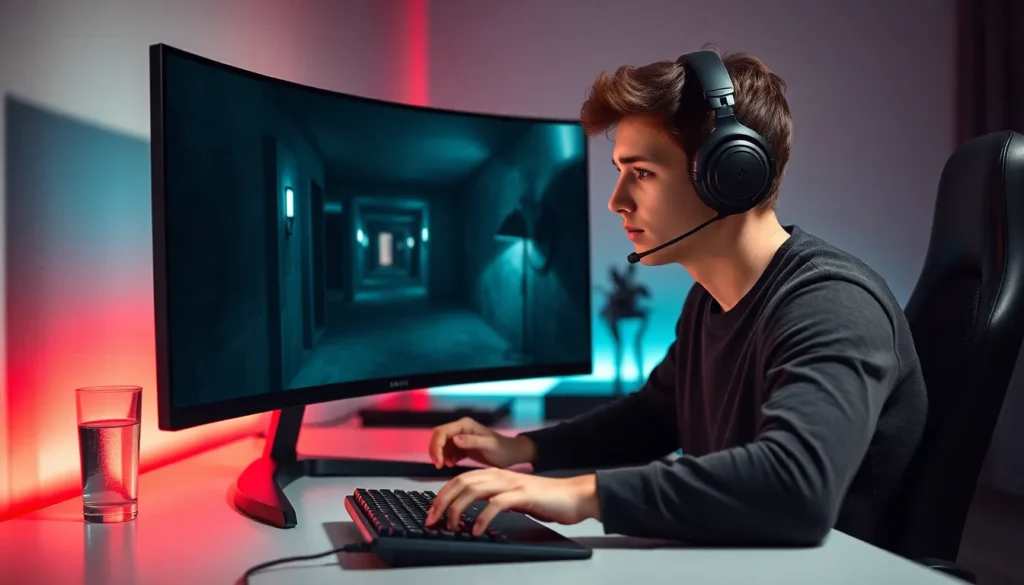
Lighting matters more than most realize. Complete darkness intensifies every scare. A dim lamp behind the monitor or TV reduces eye strain and takes the edge off without ruining the atmosphere. Some players prefer colored LED strips that match the game’s mood. Red works well for survival horror. Blue suits psychological thrillers.
Sound setup requires attention. Headphones deliver the most immersive horror games experience, but they also make jump scares more intense. Speakers offer a middle ground, players still hear important audio cues without sounds feeling like they’re inside their head. Quality matters here. Horror games rely heavily on audio design, so cheap speakers miss half the tension.
Room temperature plays a role too. A slightly cool room keeps players alert. Too warm, and the adrenaline from scary moments causes uncomfortable sweating. Too cold creates distraction.
Keep water nearby. Horror games tips from experienced players often mention staying hydrated. Tense gaming sessions cause people to forget basic needs. A drink within arm’s reach prevents unnecessary breaks during critical moments.
Manage Fear and Anxiety While Playing
Fear management separates players who finish horror games from those who don’t. The brain treats virtual threats similarly to real ones, triggering genuine stress responses. Understanding this helps.
Breathing techniques work surprisingly well. When a game gets intense, players often hold their breath or breathe shallowly. Deep, controlled breathing, in through the nose, out through the mouth, reduces the physical symptoms of fear. Some players practice this before starting a session.
Reframe the experience mentally. Horror games tips from psychologists suggest viewing scary moments as puzzles rather than threats. That monster chasing the character? It’s a game mechanic with patterns to learn. That dark hallway? It’s a level design challenge. This mental shift keeps fear at manageable levels.
Play with others when needed. Co-op horror games or simply having someone in the room changes the dynamic completely. Fear shared is fear halved. Even voice chat with a friend while playing solo helps some people.
Lower the difficulty if necessary. There’s no shame in this. Horror games deliver scares regardless of difficulty setting. An easier mode lets players experience the story and atmosphere without constant death frustration amplifying their anxiety.
Master Essential Survival Strategies
Survival in horror games follows predictable patterns. Learn these patterns, and the games become much more manageable.
Resource management defines the genre. Horror games limit ammunition, health items, and save points deliberately. Smart players resist the urge to shoot every enemy. Running past threats often works better than fighting. Save powerful items for boss encounters or unavoidable combat sections.
Map awareness prevents deaths. Mental mapping of explored areas helps players escape dangerous situations. Note safe rooms, item locations, and enemy spawn points. Many horror games feature enemies that patrol specific routes. Learning these routes creates opportunities to slip past undetected.
Sound discipline saves lives. Most horror games reward quiet movement. Sprinting attracts attention. Breaking objects alerts enemies. Crouching and walking slowly keeps players hidden longer.
Save frequently but strategically. Horror games tips often emphasize saving before risky areas but not immediately after. Players who save right after a tense section sometimes trap themselves with low resources. Keep multiple save files when possible.
Learn enemy behaviors. Every horror game enemy has tells, sounds they make, movements that telegraph attacks, weaknesses to exploit. Patient observation reveals these patterns. The first encounter teaches. The second encounter tests. By the third, players should have strategies ready.
Use Audio and Visual Cues to Your Advantage
Horror games communicate constantly through sound and visuals. Players who pay attention gain significant advantages.
Audio cues signal danger before it arrives. Specific music often plays when enemies are nearby. Footsteps indicate direction and distance. Environmental sounds like creaking doors or breaking glass warn of activity. Turn subtitles on, many horror games include audio descriptions that help identify threats.
Visual tells exist everywhere. Bloodstains often indicate recent enemy presence. Lighting changes frequently signal danger zones. Items placed conspicuously usually precede challenging sections, the game is giving players resources they’ll need soon.
The camera itself provides horror games tips. Many titles shift camera angles or zoom when something important is nearby. If the perspective suddenly changes, something significant is about to happen. Pay attention to where the game wants players to look.
Brightness settings matter. Some players crank brightness to maximum, which eliminates shadows and reduces scares. This approach works for those who just want the story. But, horror games design their lighting intentionally. Playing at recommended brightness delivers the intended experience and often reveals hidden details.
UI elements communicate threat levels. Health indicators, noise meters, and detection warnings exist in many horror games. These tools help players gauge safety without relying on guesswork. Check these frequently during tense sections.
Know When to Take Breaks
Extended horror gaming sessions affect mental state negatively. Smart players recognize when to stop.
Physical signs indicate break time. Elevated heart rate that doesn’t settle, sweaty palms, neck tension, and headaches all suggest the body needs rest. Horror games tips from health professionals recommend standing and stretching every 45-60 minutes regardless of how the game is going.
Mental fatigue reduces enjoyment. When players stop feeling scared and just feel exhausted, the game loses its purpose. Horror games work best in focused bursts. A two-hour session often delivers more enjoyment than a six-hour marathon.
Natural break points exist in most games. Safe rooms, chapter ends, and cutscenes provide good stopping opportunities. Pushing past these often leads to frustration when the next section proves difficult.
Post-game wind-down helps sleep. Playing horror games tips the brain into alert mode. Switching to a calm activity, reading, light TV, or relaxing music, for 20-30 minutes before bed prevents sleep disruption. Jumping straight into bed after an intense session rarely works well.
Return when ready, not when obligated. Some players force themselves to continue games they’re not enjoying. Horror games should be fun. If a title causes genuine distress rather than enjoyable fear, there’s no requirement to finish it.