Table of Contents
ToggleHorror games techniques have evolved dramatically over the past two decades. Game developers now use a sophisticated mix of design principles to make players genuinely uncomfortable. These techniques go far beyond simple jump scares. They tap into primal fears, exploit psychological vulnerabilities, and create persistent tension that lingers long after the screen goes dark.
What makes a horror game truly terrifying? It’s not just monsters or gore. The best horror games combine atmosphere, sound, pacing, and psychological tricks to keep players on edge. This article breaks down the core horror games techniques that developers use to craft unforgettable scary experiences.
Key Takeaways
- Horror games techniques combine atmosphere, sound design, and psychological manipulation to create lasting fear beyond simple jump scares.
- Limited visibility through darkness and restricted light sources keeps players constantly uncertain about lurking threats.
- Sound design triggers fear faster than visuals—ambient noises, strategic silence, and directional audio all amplify tension.
- Effective horror games make players feel vulnerable by limiting resources, removing combat options, and restricting saves.
- Psychological tricks like the uncanny valley, breaking the fourth wall, and unreliable information target deep-seated fears.
- Careful pacing with tension-release cycles and subverted expectations prevents players from ever feeling truly safe.
Atmosphere and Environmental Design
Atmosphere sits at the foundation of effective horror games techniques. Developers carefully design environments that feel oppressive before anything scary even happens. Dark corridors, flickering lights, and decaying architecture all signal danger to the player’s brain.
Lighting plays a critical role. Horror games like Silent Hill and Amnesia: The Dark Descent use limited light sources to restrict visibility. Players can only see a small portion of their surroundings. This creates constant uncertainty about what lurks just beyond their view.
Environmental storytelling adds another layer. Bloodstains on walls, overturned furniture, and scattered personal belongings tell stories of tragedy. These details build dread without explicit narrative exposition. Players piece together what happened, and their imagination often creates fears worse than anything developers could show directly.
Color palettes matter too. Horror games typically use muted, desaturated colors. Grays, browns, and sickly greens dominate. This visual approach removes the comfort of vibrant, lively spaces. Even safe rooms feel temporary and fragile.
Level design in horror games often includes tight spaces and winding paths. Claustrophobic hallways prevent players from seeing threats coming. Maze-like layouts create disorientation. Players lose their sense of direction, which amplifies vulnerability.
Sound Design and Audio Cues
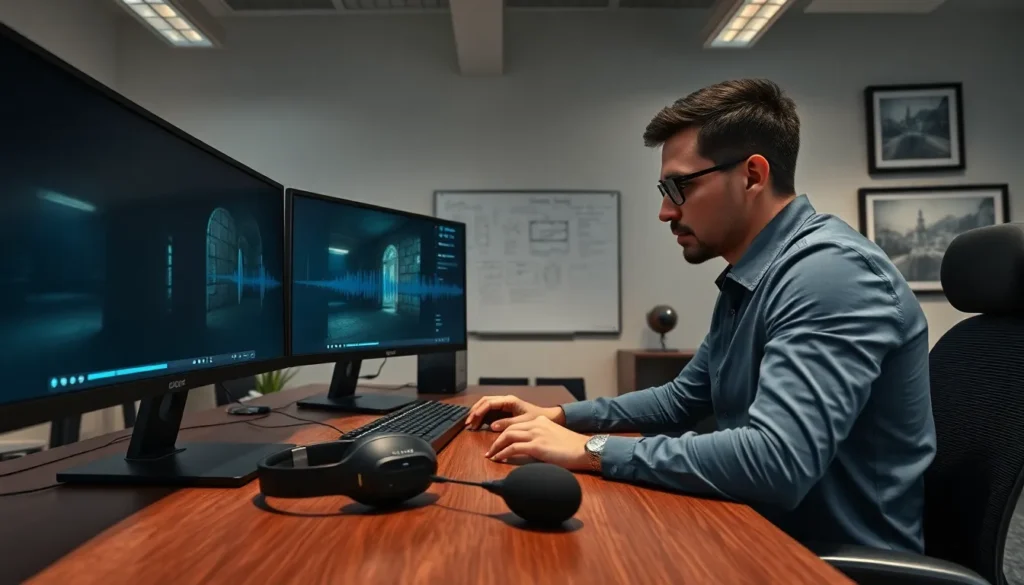
Sound design is arguably the most powerful tool in horror games techniques. Audio can trigger fear responses faster than visuals. The human brain processes threatening sounds almost instantly.
Ambient soundscapes create baseline tension. Distant footsteps, creaking floorboards, and muffled whispers keep players alert. These sounds suggest presence without confirmation. Is something really there? Players never quite know.
Silence works just as effectively. Horror games often strip away all sound before major scares. This creates an unsettling void. The absence of noise feels wrong. Players brace themselves for what comes next.
Music serves as an emotional guide. Dissonant chords, irregular rhythms, and sudden volume changes all spike anxiety levels. Games like Resident Evil use musical stings to punctuate danger. But they also use music deceptively, sometimes playing threatening music when no actual threat exists.
Dynamic audio systems represent a more advanced horror games technique. Some games change audio based on player actions or stress levels. Heartbeat sounds accelerate during tense moments. Breathing becomes audible when danger approaches. These sounds blur the line between character and player, making fear feel personal.
Directional audio adds spatial awareness, and spatial terror. Hearing something behind you when nothing appears on screen creates powerful unease.
Psychological Manipulation Tactics
The best horror games techniques target the mind directly. Developers study psychology to understand what scares people and why.
Anticipation generates more fear than the actual threat. Horror games build tension through long stretches where nothing happens. Players expect danger around every corner. This anticipation exhausts them mentally and makes eventual scares more impactful.
The uncanny valley effect disturbs players deeply. Characters or creatures that look almost human, but not quite, trigger instinctive revulsion. Games like P.T. and Visage use this effect masterfully.
Breaking the fourth wall creates unique psychological discomfort. Some horror games address players directly, reference their save files, or pretend to malfunction. Eternal Darkness: Sanity’s Requiem famously simulated system errors to terrify players. These techniques blur reality and fiction.
Loss of control frightens players on a fundamental level. Horror games often take away player agency at critical moments. Forced walking sequences, locked cameras, and scripted events make players feel helpless. They can’t fight back. They can only witness.
Unreliable information creates paranoia. Some horror games present false clues or make players question what they see. Hallucination mechanics and distorted reality sequences leave players uncertain about what’s real within the game world.
Player Vulnerability and Limited Resources
Horror games techniques often focus on making players feel weak. Power fantasies don’t generate fear. Vulnerability does.
Limited ammunition creates constant resource anxiety. Games in the Resident Evil series force players to count every bullet. Should they fight or flee? This decision-making adds stress to every encounter.
Weak or absent combat systems enhance vulnerability. Outlast gives players no weapons at all. They can only run and hide. This strips away the empowerment that combat provides in other genres.
Save point restrictions raise stakes significantly. Horror games that limit saving force players to repeat sections if they die. This makes death meaningful. Players care more about survival when failure costs them progress.
Health systems without regeneration add persistent consequence. Every injury matters. Players can’t simply wait for health to return. They must manage damage across entire play sessions.
Slow movement speeds frustrate players intentionally. Characters in horror games often walk, not run. This prevents quick escapes and makes threats feel more dangerous. Players can’t outpace their fears.
Pacing and the Element of Surprise
Effective horror games techniques require careful pacing. Constant terror becomes exhausting and eventually numb. Players need contrast to stay scared.
Tension-release cycles structure most horror games. Developers build pressure slowly, deliver a scare, then offer brief relief. These valleys between peaks let players catch their breath before the next climb.
Subverting expectations keeps players off-balance. If players expect a jump scare when opening a door, developers might delay it. Or skip it entirely. Then deliver the scare at an unexpected moment later. This unpredictability prevents players from feeling safe.
Procedural elements add replay fear. Some horror games randomize enemy placement or event triggers. Players can’t memorize patterns. Each playthrough feels genuinely dangerous.
False security lures players into traps. Horror games sometimes create seemingly safe areas with bright lighting and calm music. Then they shatter that safety without warning. This teaches players to never feel comfortable.
Jump scares work best when used sparingly. Overuse trains players to expect them, reducing impact. The most effective horror games save jump scares for pivotal moments. They earn their scares through sustained tension rather than cheap tricks.