Table of Contents
ToggleHorror games trends 2026 will reshape how players experience fear. The genre has evolved rapidly, and developers are pushing boundaries with new technology and creative approaches. From AI that learns what scares you to multiplayer experiences that turn friends into threats, the horror gaming landscape is about to get much more intense.
This year promises several major shifts in horror game design. Studios are investing in smarter systems, better visuals, and deeper psychological mechanics. Players can expect games that feel more personal, more realistic, and more terrifying than ever before. Here’s what’s coming to the horror genre in 2026.
Key Takeaways
- Horror games trends 2026 will feature AI-driven adaptive fear systems that learn player behavior and biometric data to create personalized scares.
- Multiplayer and social horror experiences are rising, with asymmetric gameplay and co-op formats turning friends into potential threats.
- Photorealistic graphics powered by ray tracing and immersive spatial audio will make horror environments feel more real and terrifying than ever.
- Psychological horror takes center stage, with games exploring trauma, unreliable narrators, and gameplay mechanics that reflect mental states.
- VR and mixed reality horror innovations allow players to experience scares in their own living rooms with haptic feedback and physical interaction.
- Horror games trends 2026 prioritize personalization and player safety, offering customizable intensity settings alongside extreme immersion.
AI-Driven Adaptive Fear Systems
Artificial intelligence is changing horror games trends 2026 in a big way. Developers are building systems that study player behavior and adjust scares accordingly. If a player shows fear of dark corridors, the game creates more of them. If jump scares lose their effect, the AI switches tactics.
These adaptive fear systems track biometric data through controllers and cameras. Heart rate, eye movement, and reaction times all feed into the algorithm. The result? A horror experience that stays scary throughout the entire playthrough.
Several major studios have confirmed they’re implementing this technology. Games like Nightmare Protocol and The Watcher will use machine learning to create unique terror for each player. The AI doesn’t just randomize events, it learns and evolves based on individual responses.
This shift means no two playthroughs will feel the same. Streaming horror games becomes more interesting because viewers see genuinely unpredictable moments. Speed runners face new challenges since the game actively works against memorization.
The implications extend beyond gameplay. Adaptive AI could help players with anxiety disorders by recognizing distress signals and adjusting intensity. Horror games trends 2026 show a move toward personalized experiences that respect player limits while still delivering genuine frights.
The Rise of Social and Multiplayer Horror Experiences
Horror has traditionally been a solo experience, but that’s changing fast. Horror games trends 2026 show a massive push toward social and multiplayer formats. Studios recognize that fear shared with others creates different, and often stronger, emotional responses.
Asymmetric multiplayer horror is leading this charge. One player becomes the monster while others try to survive. Games like Prey Night and Hunt or Hide pit friends against each other in deadly games of cat and mouse. Trust becomes a game mechanic when anyone could be the threat.
Co-op horror is also expanding. New titles require teams to solve puzzles while managing limited resources and communication. Voice chat becomes essential, but so does knowing when to stay quiet. Some games even manipulate audio feeds to create paranoia among teammates.
Live service horror games will gain traction in 2026. Seasonal events, rotating threats, and community-driven challenges keep players engaged long-term. The social element adds replayability that single-player horror often lacks.
Content creators are driving this trend. Multiplayer horror generates great streaming content because reactions are genuine and unpredictable. Developers build features specifically for streamers, including audience participation tools that let viewers influence the game.
Photorealistic Graphics and Immersive Audio Design
Visual and audio fidelity in horror games trends 2026 will reach new heights. Next-gen hardware enables photorealistic environments that blur the line between game and reality. This matters more in horror than any other genre because believability amplifies fear.
Ray tracing technology creates dynamic lighting and shadows that react in real time. A flashlight beam bounces realistically off wet surfaces. Shadows shift as creatures move just out of sight. These details make environments feel alive and threatening.
Character models now display subtle facial expressions and body language. Players can read fear, confusion, or malice in NPC faces. This emotional clarity makes story moments hit harder and makes monsters more unsettling when they mimic human behavior imperfectly.
Audio design receives equal attention. Spatial audio places sounds precisely in 3D space. Players hear footsteps behind them or whispers from specific directions. Binaural recording techniques create an immersive soundscape that headphone users will appreciate.
Silence gets weaponized too. Strategic use of quiet moments builds tension before sudden audio spikes. Dynamic music systems respond to gameplay, swelling during chase sequences and dropping to ambient noise during exploration. Horror games trends 2026 treat sound as a core mechanic rather than background decoration.
Psychological Horror Takes Center Stage
Gore and jump scares are giving way to psychological horror. Horror games trends 2026 show players want experiences that linger in their minds long after the credits roll. Studios are responding with stories that explore trauma, guilt, and mental health.
Unreliable narrators drive many upcoming titles. Players question whether what they see is real or a symptom of their character’s mental state. Perception becomes untrustworthy, and the game actively works to confuse and disorient.
Environmental storytelling carries more weight than ever. Details in rooms tell stories of tragedy without a single line of dialogue. Players piece together narratives from journals, photographs, and object placement. This indirect approach creates deeper engagement.
Themes grow more mature and nuanced. Games address topics like grief, addiction, and isolation with care and depth. Horror becomes a lens for examining real human struggles, making the scares more meaningful.
Gameplay mechanics reflect psychological states. Anxiety might blur vision or distort sounds. Paranoia could make the player see threats that don’t exist. These systems create empathy by putting players inside troubled minds. Horror games trends 2026 prove the genre can be art that challenges and moves players.
VR and Mixed Reality Horror Innovations
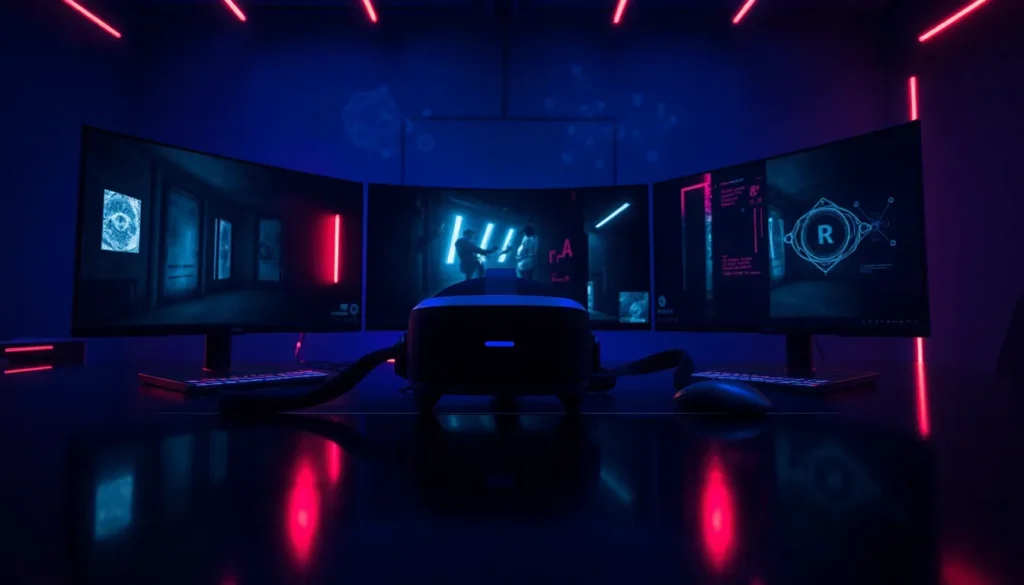
Virtual reality and mixed reality push horror games trends 2026 into terrifying new territory. The technology has matured enough to deliver smooth, comfortable experiences that still scare players senseless.
Standalone VR headsets remove barriers to entry. Players don’t need expensive PCs or complicated setups. This accessibility expands the audience for VR horror significantly. More players mean more investment from developers.
Mixed reality, blending real environments with virtual elements, creates unique horror opportunities. Imagine seeing a ghost in your actual living room or watching shadows move across your real walls. The line between game and reality disappears completely.
Physical interaction adds another layer of fear. Players must physically open doors, hide under furniture, and defend themselves with gestures. The body remembers these actions, making the terror more visceral.
Haptic feedback systems deliver sensations beyond simple rumble. Players feel breath on their neck, cold fingers on their shoulders, or heartbeats pulsing through controllers. These physical sensations trigger primal fear responses that flat screens can’t match.
Safety features evolve alongside the scares. Quick exit options, comfort settings, and intensity sliders let players customize their experience. Horror games trends 2026 in VR balance extreme immersion with player wellbeing.