Table of Contents
ToggleLearning how to play horror games requires more than just picking up a controller. These games test nerves, reflexes, and problem-solving skills in ways other genres simply don’t. Whether someone wants to experience their first horror title or improve their survival rate, a few key strategies can make all the difference.
Horror games have exploded in popularity over the past decade. Franchises like Resident Evil, Silent Hill, and Outlast have introduced millions of players to heart-pounding gameplay. But many newcomers quit within the first hour, not because the games are bad, but because they weren’t prepared for the experience.
This guide covers everything a beginner needs to know. From setting up the perfect play environment to managing in-game anxiety, these tips will help anyone get more enjoyment out of horror games while actually finishing them.
Key Takeaways
- Learning how to play horror games effectively starts with setting up the right environment—play in the dark with headphones for maximum immersion.
- Manage fear by taking breaks, playing with a friend nearby, and reminding yourself it’s just a game when anxiety spikes.
- Conserve resources like ammunition and healing items since horror games intentionally limit supplies at critical moments.
- Recognize jump scare patterns such as long quiet hallways and sudden music changes to feel more in control during gameplay.
- Choose horror games that match your experience level—start with accessible titles like Little Nightmares before tackling intense games like Outlast.
- Save your progress frequently to avoid frustrating setbacks after difficult sections.
Preparing Your Environment for Maximum Immersion
The right setup transforms a good horror game into an unforgettable experience. Environment matters more than most players realize.
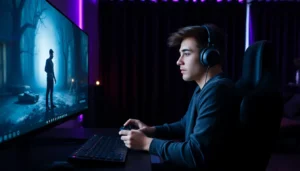
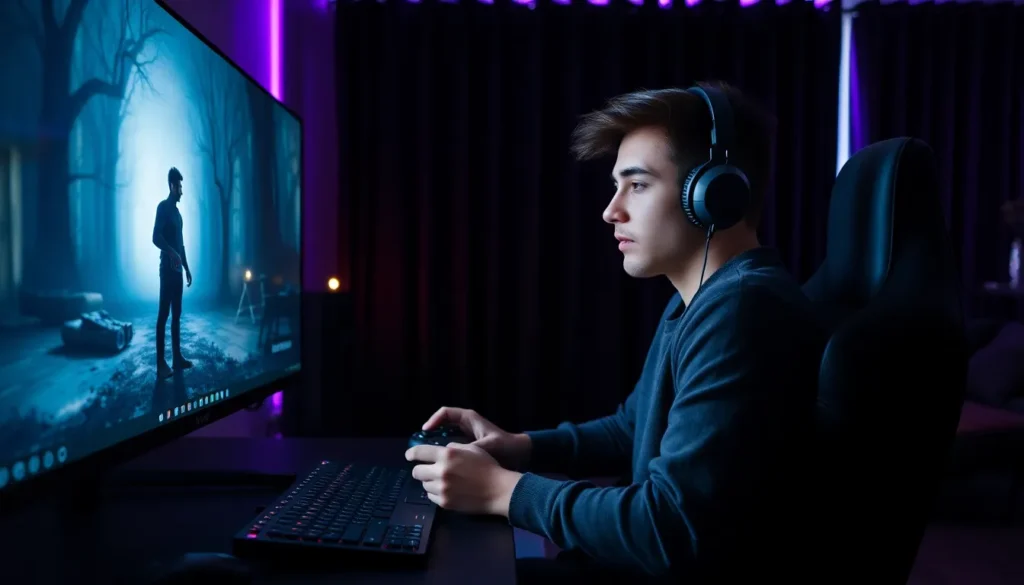
Play in the dark. Horror games lose their punch under bright lights. Developers design these titles with darkness in mind. Shadows, flickering lights, and subtle visual cues work best when the room matches the on-screen atmosphere. Close the blinds, turn off the lamps, and let the monitor be the only light source.
Use headphones. Sound design carries most horror games. Footsteps behind the player, distant whispers, and creaking floorboards create tension that speakers can’t replicate. A decent pair of over-ear headphones blocks outside noise and delivers audio the way developers intended. Many horror games use directional audio to hint at danger, headphones make those cues impossible to miss.
Eliminate distractions. Put the phone on silent. Close the browser tabs. Tell roommates or family members not to interrupt. Horror games demand full attention. A text notification at the wrong moment breaks immersion and ruins carefully built tension.
Adjust display settings properly. Most horror games include a brightness calibration screen at startup. Don’t skip it. Setting brightness too high exposes enemies too early and removes suspense. Setting it too low makes important items invisible. Follow the game’s recommendation for the intended experience.
Consider the time of day. Playing horror games late at night amplifies their effect. The quiet house, the late hour, and natural tiredness all contribute to heightened emotional responses. Some players prefer this intensity. Others find daytime sessions more manageable for their first playthrough.
Managing Fear and Anxiety While Playing
Fear is the point of horror games, but too much fear stops people from playing at all. Learning to manage anxiety helps players push through scary moments and actually enjoy the experience.
Remember it’s just a game. This sounds obvious, but the brain doesn’t always cooperate. When adrenaline spikes, remind yourself that nothing on screen can cause real harm. The monster chasing you exists only as code. Taking a breath and acknowledging this fact helps reduce panic responses.
Take breaks when needed. Nobody earns extra points for playing horror games in marathon sessions. If anxiety builds too high, pause the game. Step away for five minutes. Grab a snack, stretch, check social media, whatever breaks the tension. Returning with fresh nerves often makes difficult sections easier.
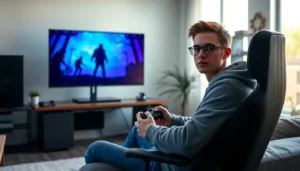
Play with a friend nearby. Horror games hit harder when playing alone, but beginners might benefit from having someone in the room. A friend watching doesn’t diminish the experience much. Their presence provides comfort during intense moments, and sharing reactions can be fun.
Adjust difficulty settings. Many horror games offer easier modes that reduce enemy damage or increase resources. There’s no shame in choosing these options. A player who finishes on easy mode gets more from the experience than someone who rage-quits on hard.
Recognize jump scare patterns. Most horror games telegraph their scares. Long quiet hallways, sudden music changes, and conveniently placed save points often signal danger ahead. Learning these patterns reduces surprise and helps players feel more in control. The fear shifts from “what will happen?” to “when will it happen?”, a subtle but important difference.
Essential Gameplay Tips for Horror Games
Surviving horror games requires different skills than other genres. These practical tips apply to most horror titles.
Resource Management
Horror games typically limit supplies. Ammunition, healing items, and batteries for flashlights all run out at the worst possible times. Smart players conserve resources whenever possible.
- Don’t shoot every enemy. Many horror games allow players to run past threats. Save ammunition for mandatory encounters.
- Search every room thoroughly. Items hide in drawers, behind objects, and in dark corners. Rushing through areas means missing crucial supplies.
- Use healing items only when necessary. Don’t waste a full medkit on minor damage.
Exploration and Puzzle Solving
Horror games reward careful exploration. Players who rush miss important story elements, useful items, and puzzle solutions.
- Read notes and documents. These often contain codes, hints, and backstory that make later sections easier.
- Create mental maps of the environment. Knowing escape routes matters when enemies appear.
- Listen to environmental audio. Many games hide clues in ambient sounds.
Combat Strategies
When fighting becomes unavoidable, approach encounters smartly.
- Aim for weak points. Most enemies have vulnerable areas that deal extra damage.
- Keep moving. Standing still makes players easy targets.
- Learn enemy attack patterns. Every creature telegraphs its moves somehow.
- Know when to run. Retreating to regroup beats dying and losing progress.
Save Often
Horror games punish overconfidence. Save at every opportunity the game provides. Nothing frustrates players more than replaying thirty minutes because they skipped a save point.
Choosing the Right Horror Games for Your Experience Level
Not all horror games deliver the same intensity. Beginners should start with accessible titles before tackling harder experiences.
Entry-level horror games ease players into the genre. Titles like Little Nightmares, Inside, and Alan Wake offer creepy atmospheres without extreme scares. These games focus on puzzle-solving and exploration with horror elements rather than constant terror.
Mid-tier horror games increase intensity while remaining manageable. The Resident Evil remakes balance action and horror effectively. Players have weapons and resources to fight back, which reduces helplessness. Dead Space offers similar gameplay with a science fiction setting.
Intense horror games push boundaries. Outlast, Amnesia: The Dark Descent, and Alien: Isolation strip away player power. Running and hiding become the only options. These games deliver maximum fear but can overwhelm newcomers.
Multiplayer horror games provide a different experience. Phasmophobia, Dead by Daylight, and Lethal Company add social elements that reduce individual fear. Playing with friends creates shared tension and often leads to laughter alongside screams.
Consider personal fear triggers when selecting horror games. Someone uncomfortable with body horror should avoid Dead Space. Players who hate chase sequences might struggle with Outlast. Reading reviews and watching spoiler-free gameplay videos helps identify what each game emphasizes.