Table of Contents
ToggleHorror games test players in ways other genres simply can’t. This horror games guide breaks down everything players need to know, from managing jump scares to picking the right subgenre for their taste. Whether someone’s a veteran of survival horror or a newcomer curious about the genre, understanding how these games work changes the experience entirely. Fear becomes something to manage, not avoid. The right setup amplifies tension. And knowing what to expect? That’s half the battle won before the title screen even loads.
Key Takeaways
- This horror games guide helps players manage fear by understanding how developers use atmosphere, sound design, and vulnerability to create tension.
- Conserve resources aggressively and explore thoroughly—most horror games intentionally limit supplies to create genuine danger.
- Use headphones for the best experience since horror games rely on directional audio to build spatial awareness and tension.
- Choose your subgenre wisely: survival horror for resource management, psychological horror for atmosphere, or action horror if you prefer fighting back.
- Take breaks, play with lights on, or watch others play first to manage real anxiety responses without sacrificing enjoyment.
- Optimize your setup by calibrating brightness precisely, turning off notifications, and playing in a dark environment to maximize immersion.
Understanding the Horror Game Genre
Horror games create fear through atmosphere, sound design, and player vulnerability. Unlike action games where players feel powerful, horror games strip that power away. Limited resources, dark environments, and unpredictable threats keep players on edge.
The genre has evolved significantly since early titles like Alone in the Dark and Resident Evil. Modern horror games use psychological tricks alongside traditional scares. Some rely on jump scares, sudden loud noises paired with visual shocks. Others build dread slowly, letting players imagine threats worse than anything on screen.
What makes horror games effective comes down to player investment. When someone controls a character, they feel responsible for that character’s survival. This creates tension that passive media like movies can’t replicate. Players don’t watch someone walk down a dark hallway, they make the choice to walk down it themselves.
Sound design carries enormous weight in horror games. Footsteps, distant screams, and ambient noise create unease even when nothing threatening appears. Many developers design audio specifically to trigger anxiety responses. Players who understand this can appreciate the craft while still feeling the fear.
Horror games also play with player expectations. Experienced players learn patterns, where enemies spawn, when scares happen. Good horror games subvert these patterns. They teach players one set of rules, then break them at critical moments.
Essential Tips for Playing Horror Games
Success in horror games requires both mental preparation and practical strategy. These tips help players survive longer and enjoy the experience more.
Explore thoroughly but carefully. Horror games hide resources in unexpected places. Searching rooms reveals ammunition, health items, and story clues. But rushing through areas often triggers traps or enemy encounters. Move slowly. Check corners. Listen before entering new spaces.
Conserve resources aggressively. Most horror games limit supplies intentionally. Running out of ammunition or healing items creates genuine danger. Avoid combat when possible. Use melee attacks or stealth to preserve valuable resources for boss encounters or unavoidable fights.
Save frequently when the game allows. Some horror games use manual save points. Others auto-save at checkpoints. Learn the save system early. Nothing kills momentum like replaying thirty minutes because of one mistake.
Pay attention to environmental storytelling. Horror games communicate through their environments. Notes, audio logs, and visual details explain what happened and hint at upcoming dangers. This information often contains survival clues disguised as lore.
Managing Fear and Anxiety While Playing
Fear responses during horror games are real. Heart rates increase. Palms sweat. Some players experience genuine anxiety. Managing these reactions makes the experience enjoyable rather than overwhelming.
Take breaks when needed. Playing horror games in short sessions prevents burnout. An hour at a time works well for most players. Extended sessions can leave people feeling drained or overly anxious.
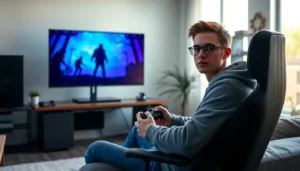
Play with the lights on if darkness increases discomfort. The game remains scary regardless of room lighting. There’s no shame in making the experience more comfortable.
Play with friends or watch someone else play first. Co-op horror games exist specifically for this purpose. Watching streamers play a game before trying it removes some surprise but also reduces anxiety significantly.
Remember that the fear is manufactured. Developers designed every scare intentionally. Recognizing this helps some players maintain emotional distance while still enjoying the tension.
Top Horror Game Subgenres to Explore
Horror games split into distinct subgenres, each offering different experiences. Knowing these categories helps players find games matching their preferences.
Survival Horror focuses on resource management and combat. Games like Resident Evil and Dead Space give players weapons but limit ammunition and healing. Every encounter requires decision-making, fight or flee?
Psychological Horror prioritizes atmosphere over action. Titles like Silent Hill 2 and Layers of Fear disturb through imagery, story, and environmental design rather than combat. These games often explore themes of guilt, trauma, and mental illness.
Action Horror combines scary settings with empowering gameplay. Dead Rising and The Evil Within 2 let players fight back effectively while maintaining horror elements. Players who dislike feeling helpless often prefer this subgenre.
Walking Simulators remove combat entirely. Amnesia: The Dark Descent and Outlast force players to hide and run. Without weapons, every enemy encounter becomes terrifying. These games rely heavily on stealth mechanics.
Multiplayer Horror adds social elements. Phasmophobia and Dead by Daylight create fear through cooperative or competitive play. Playing with others changes the dynamic entirely, communication becomes crucial.
Each subgenre appeals to different players. Someone wanting constant tension should try survival horror. Those preferring story and atmosphere might enjoy psychological horror. Action horror works for players who want scares without helplessness.
Must-Have Settings and Setup for the Best Experience
Technical setup dramatically affects horror game experiences. The right settings maximize immersion and tension.
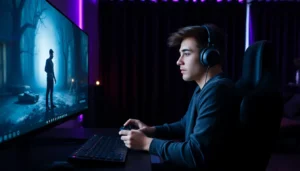
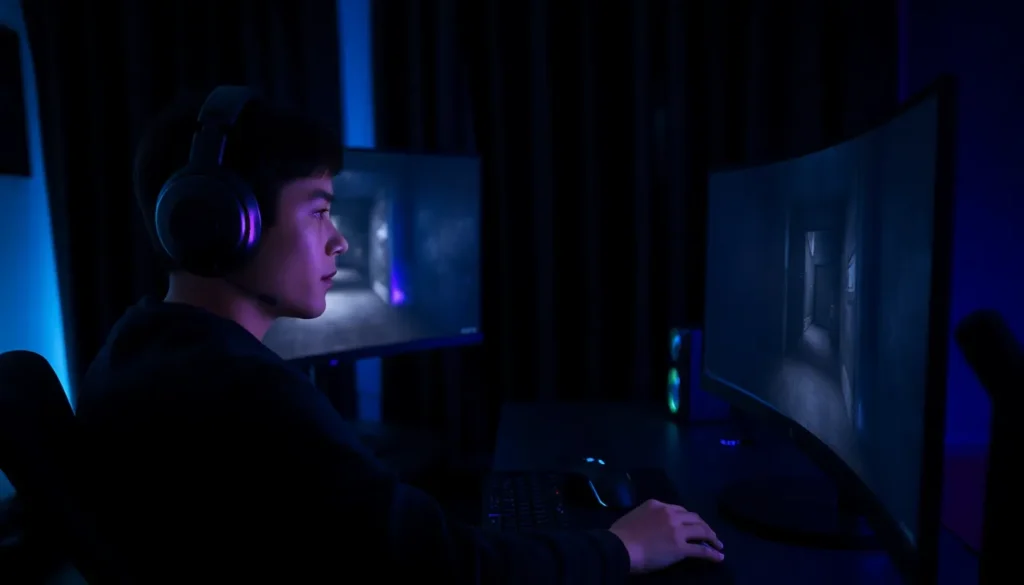
Audio matters most. Use headphones. Surround sound headphones work best, but any quality pair improves the experience over speakers. Horror games use directional audio to create spatial awareness. Players hear threats approaching from specific directions. Speakers flatten this effect.
Adjust brightness carefully. Most horror games include brightness calibration at launch. Follow it precisely. Too bright removes atmosphere. Too dark makes gameplay frustrating. The logo or symbol should be barely visible, as most games instruct.
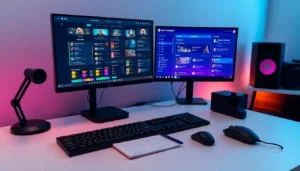
Turn off notifications. Phone alerts, console notifications, and desktop pop-ups break immersion instantly. Enable do-not-disturb modes on all devices before playing. One notification sound can ruin a carefully built scare.
Play at night if possible. Daytime playing works, but darkness outside the screen enhances darkness within it. Close curtains and dim lights. The brain responds more strongly to horror content when the surrounding environment feels appropriate.
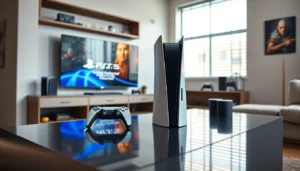
Consider a controller for PC games. Some horror games play better with controllers than keyboards. Third-person horror titles especially benefit from analog stick movement. Check community recommendations for specific games.
Adjust field of view settings. Narrow FOV increases tension by limiting peripheral vision. Wide FOV reduces motion sickness but also reduces claustrophobia. Experiment to find a comfortable balance.