
Table of Contents
TogglePlayStation techniques can transform an average player into a skilled competitor. Whether someone plays casually or competitively, the right skills make a noticeable difference in performance. Mastering controller settings, combat mechanics, and movement patterns gives players a clear edge. This guide covers essential PlayStation techniques that help gamers improve faster and play smarter. From customization tips to practice strategies, these methods apply across genres and skill levels.
Key Takeaways
- Customizing controller settings like sensitivity, button mapping, and trigger dead zones creates a strong foundation for mastering PlayStation techniques.
- Advanced combat skills such as animation canceling, combo execution, and defensive timing separate good players from great ones.
- Optimizing your gaming setup—including low-latency displays, quality headphones, and wired connections—removes hardware barriers to performance.
- Deliberate practice targeting specific weaknesses improves skills faster than random gameplay sessions.
- Recording and analyzing your gameplay reveals mistakes and helps refine your PlayStation techniques over time.
- Learning from skilled players through streams, tutorials, and community resources accelerates your improvement significantly.
Essential Controller Settings and Customization
The first step to improving PlayStation techniques starts with controller settings. Many players use default configurations without realizing how much they limit performance. A few adjustments can dramatically improve response time and accuracy.
Sensitivity Settings
Sensitivity controls how fast the camera or crosshair moves. Lower sensitivity offers more precision for aiming, while higher sensitivity allows faster reactions. Most competitive players find a middle ground that suits their playstyle. Testing different levels in practice modes helps identify the sweet spot.
Button Mapping
PlayStation controllers allow custom button mapping through accessibility settings. Players can reassign actions to more comfortable positions. For example, mapping jump to a shoulder button keeps thumbs on the sticks during movement. This small change improves reaction speed in games that require quick inputs.
Trigger Dead Zones
Some games let players adjust trigger dead zones. A smaller dead zone means the trigger registers input sooner. This setting benefits shooters where quick firing matters. Players should check individual game settings for these options.
Controller Accessories
Back button attachments and pro controllers offer additional customization. These accessories add extra inputs without removing fingers from primary controls. While not essential, they give players using PlayStation techniques more flexibility in competitive situations.
Spending time on controller setup pays off quickly. These foundational PlayStation techniques create a solid base for skill development.
Advanced Combat and Movement Techniques
Combat and movement form the core of most PlayStation games. Learning advanced techniques separates good players from great ones.
Animation Canceling
Many games allow players to cancel recovery animations by inputting another action. This technique speeds up attack chains and creates openings that wouldn’t normally exist. Fighting games, action RPGs, and shooters all use animation canceling in different ways. Players should research specific cancel windows for their favorite titles.
Movement Tech
Advanced movement techniques include slide canceling, bunny hopping, and directional dashing. These PlayStation techniques help players move unpredictably and avoid enemy attacks. In shooters, erratic movement makes targeting much harder for opponents.
Practicing movement in safe areas before applying it in matches builds muscle memory. Players who master movement techniques gain positioning advantages throughout entire games.
Combo Execution
Combos require precise timing and input sequences. The key lies in understanding frame data and hit confirmation. Players should start with simple combos and gradually add complexity. Recording gameplay helps identify where execution breaks down.
Defensive Techniques
Offense gets attention, but defense wins games. Blocking, parrying, and dodging at correct moments punish aggressive opponents. Many PlayStation techniques focus on reading enemy patterns and responding appropriately. Patience and observation improve defensive play more than raw reflexes.
These advanced PlayStation techniques take time to develop. Consistent practice with specific goals accelerates improvement.
Optimizing Your Gaming Setup for Better Performance
Hardware and environment affect gaming performance more than many players realize. Optimizing these factors supports better execution of PlayStation techniques.
Display Settings
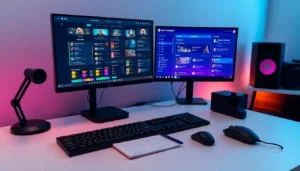
Input lag from displays delays button responses. Gaming monitors with low response times reduce this delay significantly. Players using TVs should enable game mode in display settings. This setting disables image processing that adds latency.
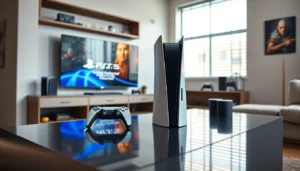
Resolution and frame rate also matter. Higher frame rates provide smoother visuals and faster feedback. PlayStation 5 supports 120Hz output on compatible displays, giving players a responsiveness advantage.
Audio Setup
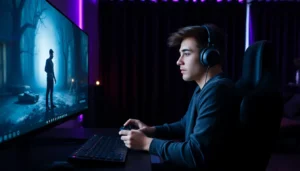
Sound design in games provides important information. Footsteps, ability cues, and environmental audio help players anticipate actions. Quality headphones improve spatial awareness and let players hear details they might miss through TV speakers.
3D audio features on PlayStation create positional sound that helps locate enemies and events. Enabling this setting in system preferences enhances awareness during gameplay.
Physical Comfort
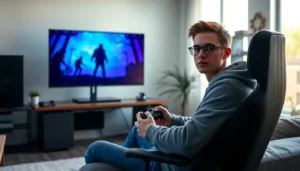
Comfortable seating and proper posture prevent fatigue during long sessions. Tired players make more mistakes and react slower. Monitor height should place the screen at eye level to reduce neck strain.
Controller grip also affects precision. Players should find a grip style that feels natural and allows easy access to all buttons.
Network Connection
Online games require stable connections. Wired ethernet provides more consistent latency than wireless. Players experiencing lag should check their connection quality and consider network upgrades.
These setup optimizations let players focus on improving PlayStation techniques without hardware limitations holding them back.
Practice Strategies to Improve Faster
Effective practice accelerates skill development. Random play builds experience, but structured practice builds expertise.
Deliberate Practice
Deliberate practice targets specific weaknesses. Instead of playing matches repeatedly, players should identify problem areas and drill them directly. Training modes, custom games, and aim trainers offer controlled environments for focused improvement.
Setting measurable goals keeps practice sessions productive. “Land 10 headshots in a row” works better than “get better at aiming.” Clear targets provide motivation and progress tracking.
Video Analysis
Recording gameplay reveals patterns invisible during play. Players can review deaths, missed opportunities, and positioning errors. Watching footage with fresh eyes shows exactly where PlayStation techniques broke down.
Comparing personal footage to skilled players highlights specific differences. This comparison identifies which techniques need the most work.
Warm-Up Routines
Professional players warm up before competitive matches. A 10-15 minute routine primes reflexes and refreshes muscle memory. Warm-ups should include aim drills, movement practice, and basic combos.
Skipping warm-ups means starting matches below peak performance. Consistent routines prepare both mind and hands for high-level play.
Learning from Others
Watching skilled players teaches techniques that might take months to discover independently. Streams, tutorial videos, and competitive matches show PlayStation techniques in action. Players should note specific strategies and test them personally.
Community resources like wikis, Discord servers, and forums contain concentrated knowledge. Engaging with these communities speeds up learning and provides answers to specific questions.
Structured practice combined with quality resources builds skills faster than grinding alone. Players who practice smart see results sooner.